

Quaalude (Methaqualone) – Complete Guide: Uses, Risks, and Legal Status
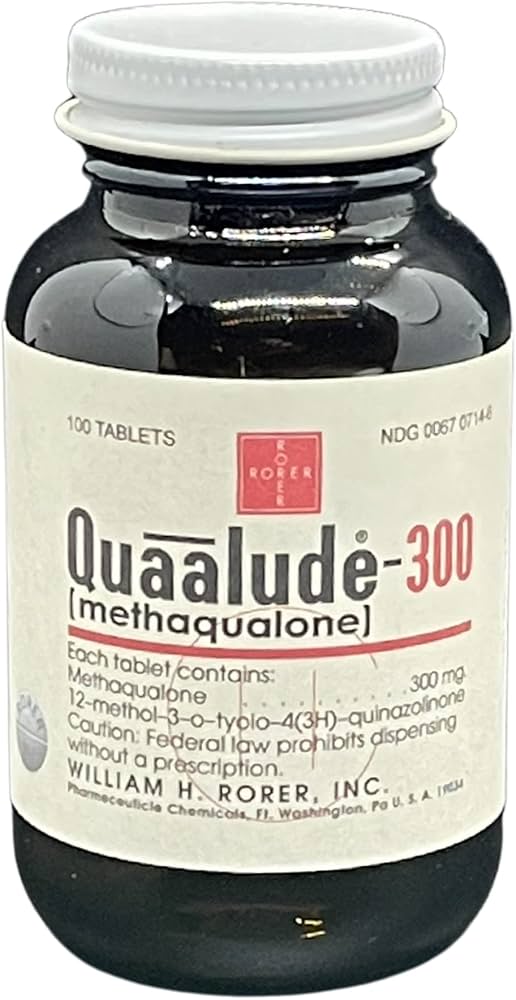
Quaalude, the brand name for Methaqualone, is a sedative-hypnotic medication that was widely prescribed in the 1960s and 1970s for insomnia and anxiety. Known for its calming and euphoric effects, Quaalude became popular as both a prescription medication and a recreational drug. Due to widespread abuse and severe health risks, it was eventually classified as a controlled substance and banned in many countries, including Australia.
This guide provides a detailed overview of Quaalude, including its history, effects, dosage, risks, legal status, and alternatives.
1. What is Quaalude?
Quaalude (Methaqualone) is a central nervous system (CNS) depressant. It was initially developed in the 1950s as a treatment for insomnia and anxiety. The drug produces sedation, muscle relaxation, and a sense of euphoria, making it appealing both medically and recreationally.
Medical Uses
Originally, Quaalude was prescribed for:
-
Short-term insomnia
-
Anxiety and tension relief
-
Occasional use for sedation before medical procedures
It was effective as a sleep aid, but its high potential for abuse led to it being discontinued in medical practice in most countries by the 1980s.
2. How Quaalude Works
Quaalude works by enhancing GABA neurotransmission in the brain. GABA is a neurotransmitter responsible for calming overactive neurons, leading to:
-
Drowsiness and sedation
-
Muscle relaxation
-
Reduced anxiety and stress
-
Mild euphoria in higher doses
Because it depresses the central nervous system, combining Quaalude with alcohol, opioids, or other sedatives can be extremely dangerous, increasing the risk of respiratory depression, coma, or death.
3. History and Popularity
-
1950s: Methaqualone was first synthesized as a sedative.
-
1960s–1970s: Marketed as Quaalude and prescribed for insomnia and anxiety.
-
1970s: Became widely abused recreationally due to its euphoric and relaxing effects.
-
1980s: Rising cases of addiction, overdose, and recreational misuse led to strict regulation.
-
1984: Quaalude was classified as a Schedule I substance in the U.S., and production ceased.
In Australia, Quaalude is also classified as a prohibited substance, making unauthorized possession, sale, or import illegal.
4. Effects of Quaalude
Therapeutic Effects
-
Helps induce sleep in insomnia patients
-
Reduces anxiety and tension
Recreational Effects
-
Relaxation and calmness
-
Mild euphoria
-
Altered perception and drowsiness
Duration
The effects usually appear within 20–60 minutes and can last 4–8 hours, depending on dosage and individual metabolism.
5. Risks and Side Effects
Quaalude carries serious health risks, particularly with misuse or recreational use.
Common Side Effects
-
Drowsiness and sedation
-
Dizziness
-
Impaired coordination
-
Slurred speech
-
Headaches and nausea
Severe or Dangerous Effects
-
Respiratory depression and slowed heart rate
-
Coma or unconsciousness
-
Addiction and dependence
-
Withdrawal symptoms, including anxiety, tremors, and insomnia
-
Overdose can be fatal, especially when combined with alcohol or other depressants
Because of these risks, Quaalude is no longer legally prescribed in Australia.
6. Legal Status of Quaalude
In Australia, Quaalude (Methaqualone) is classified as a Schedule 9 (Prohibited Substance) under the Poison Standard. This means:
-
Illegal to manufacture, import, sell, or possess without government authorization
-
Penalties include fines, imprisonment, or both
-
Only approved research or law enforcement use is permitted
Globally, Quaalude is banned or strictly controlled in most countries due to its high abuse potential and serious health risks.
7. Why Quaalude Became Popular Recreationally
Quaalude gained notoriety in the 1970s as a party drug, often used in nightclubs and social gatherings. Its appeal stemmed from:
-
Relaxing and euphoric effects
-
Muscle relaxation and stress relief
-
Perceived safety compared to other recreational depressants at the time
However, recreational use led to addiction, overdoses, and fatalities, resulting in its eventual ban.
8. Alternatives to Quaalude
Since Quaalude is no longer legally available, safer alternatives exist for anxiety, insomnia, or stress:
Prescription Alternatives
-
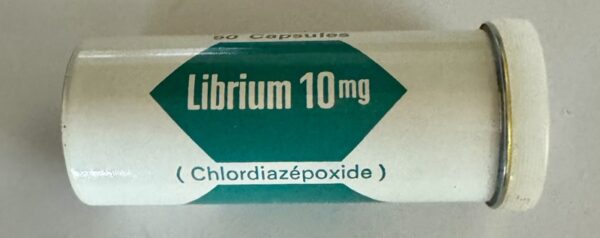
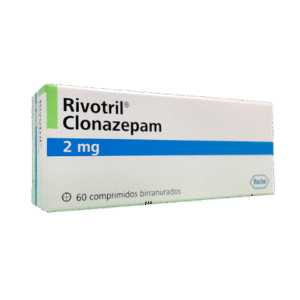
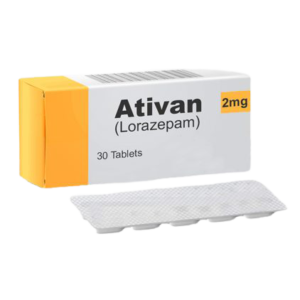
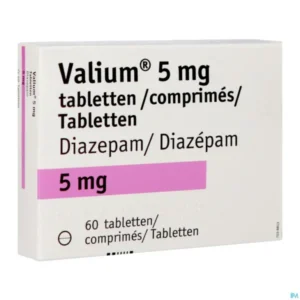
Benzodiazepines: Diazepam, Lorazepam, Clonazepam
-
Non-benzodiazepine sleep aids: Zolpidem, Zopiclone
-
SSRIs and SNRIs: For long-term anxiety management
Non-Medication Alternatives
-
Cognitive Behavioral Therapy (CBT) for insomnia and anxiety
-
Meditation and mindfulness practices
-
Exercise and stress management techniques
-
Improved sleep hygiene
These alternatives are safer, legal, and widely available in Australia.
9. Risks of Seeking Quaalude Online
Due to its prohibition, many online sources claim to sell Quaalude, but these are illegal and unsafe. Risks include:
-
Counterfeit or contaminated pills
-
Fraud or theft of personal and financial information
-
Legal consequences including fines or imprisonment
-
Severe health risks from unknown or adulterated substances
Important: There is no legal way to buy Quaalude online in Australia.
10. Key Takeaways
-
Quaalude (Methaqualone) was a sedative-hypnotic used for insomnia and anxiety.
-
It produces sedation, muscle relaxation, and euphoria but has a high potential for abuse.
-
Quaalude is illegal in Australia and classified as a Schedule 9 prohibited substance.
-
Health risks include addiction, overdose, respiratory depression, and death.
-
Legal and safer alternatives include benzodiazepines, non-benzodiazepine sleep aids, and therapy-based approaches.
-
Attempting to buy Quaalude online in Australia is illegal and dangerous.
By understanding Quaalude’s history, risks, and legal status, individuals can make informed decisions about safe and legal alternatives for sleep, anxiety, and relaxation.
| Quantity | 1 bottle,, , 2 bottles,,, 3 bottles |
|---|
Reviews
There are no reviews yet.
Related products
Anxiety
Anxiety
Anxiety
Anxiety
Anxiety
Anxiety
Be the first to review “Quaalude (Methaqualon) 300 mg”